
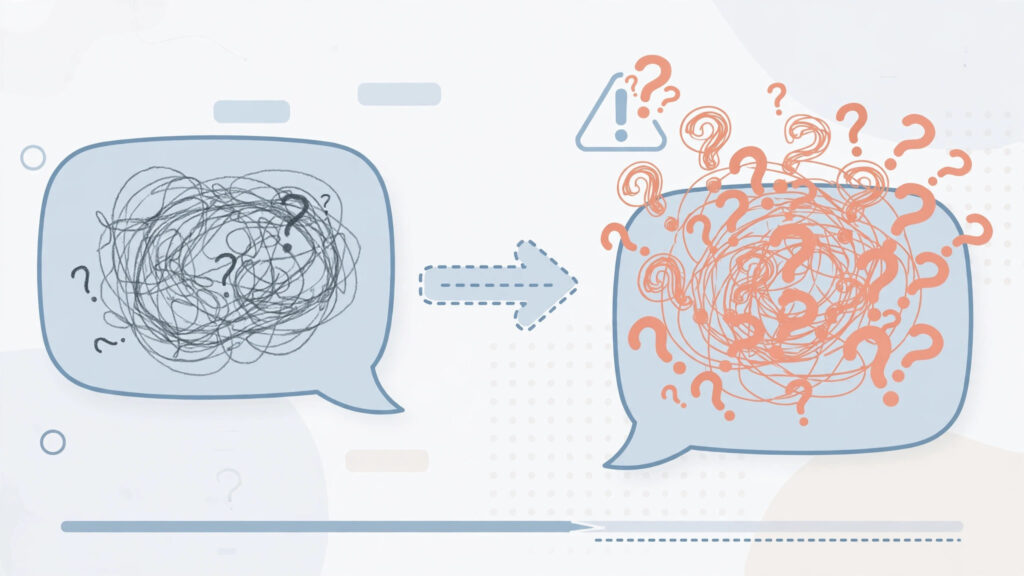

How to Write a Prompt That Works First Time: A Beginner’s Step-by-Step Method is not about learning secret tricks or magic words. It is about giving the assistant enough clear information that it does not have to guess. Most disappointing answers do not happen because the model is weak. They happen because the request was too open, so the model filled the gaps on its own. This guide gives you a simple five-part method you can use for almost any task, plus full examples you can copy, adapt, and save for later.
Why Vague Prompts Fail
Today’s AI assistants are more capable than the simple chatbots many people first tried. They can remember what you said earlier in a conversation, follow longer instructions, and in some cases work through multi-step tasks like an agent, gathering and organising information as they go. Those abilities are helpful, but they also make vague prompts riskier.
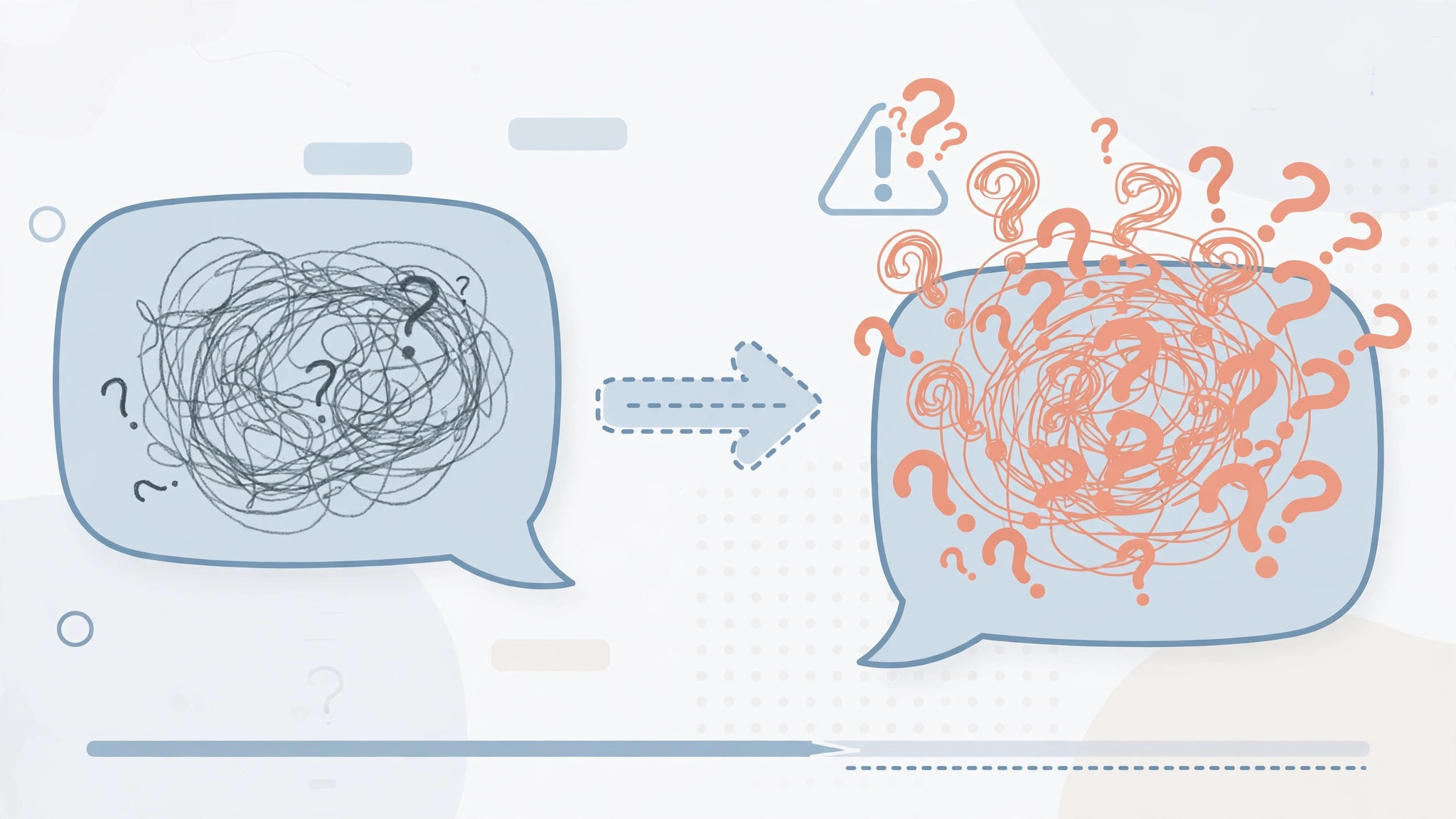
When your request leaves out important details, the model rarely stops and says it does not know. Instead, it fills the gaps with inventions. That can mean made-up names, dates that were never given, deadlines you never set, or facts that sound confident but were never in your material. The answer may read smoothly, which makes the problem harder to spot.
Here is a simple rule to keep in mind: treat any specific detail you did not supply as unverified. If a name, number, date, or deadline appears in an answer and you did not provide it, check it before you use it. A good prompt reduces this risk by giving the model real material to work with and a clear instruction not to invent the rest.
The 5-Part Method
Every strong prompt answers five basic questions. You do not need to write them as a formal list every time, but if all five are present, your chances of a useful first answer go up a lot.
1. Job — What Exactly Should It Do?
Name the task plainly. “Help with an email” could mean write it, shorten it, fix the tone, or reply to it.
Weak: “Help me with an email.”
Strong: “Write a short reply to the email below. Say yes to the meeting, and ask for the agenda before we meet.”
The strong version names one job, not three possible jobs.
2. Material — What Should It Work From?
Paste or describe the source material: the email, notes, lesson text, or points you want included. The model can only use facts you give it or ask it to check.
Weak: “Summarise this topic.”
Strong: “Summarise only the notes below, in your own words. Do not add facts that are not in these notes.”
Material stops the model from wandering off into general, generic information.
3. Reader — Who Is This For?
The same message needs different language for a manager, a customer, a teacher, or a ten-year-old student. Naming the reader sets the tone and level automatically.
Weak: “Explain this simply.”
Strong: “Explain this for a complete beginner who has never used this before. Use everyday words and one short example.”
4. Format — What Should the Answer Look Like?
Say the length, shape, and style you want: a short paragraph, a bullet list, a table, three options, or a subject line plus body text.
Weak: “Give me ideas for a post.”
Strong: “Give me the post as one headline and three short lines. Keep the whole thing under 60 words.”
Format saves you the follow-up work of cutting and reshaping a long answer.
5. Safety Line — What Should It Never Do?
End with this safety line, or your own version of it:
“Ask me up to 3 questions first if something important is missing; never invent names or numbers.”
Weak: No safety line at all, so the model guesses a date to finish the sentence.
Strong: The same request, plus the safety line above, so the model asks you for the date instead of inventing one.
This one line turns a confident guess into a useful question — and a question is much cheaper to fix than a wrong fact sent to someone else.
Three Full Transformations
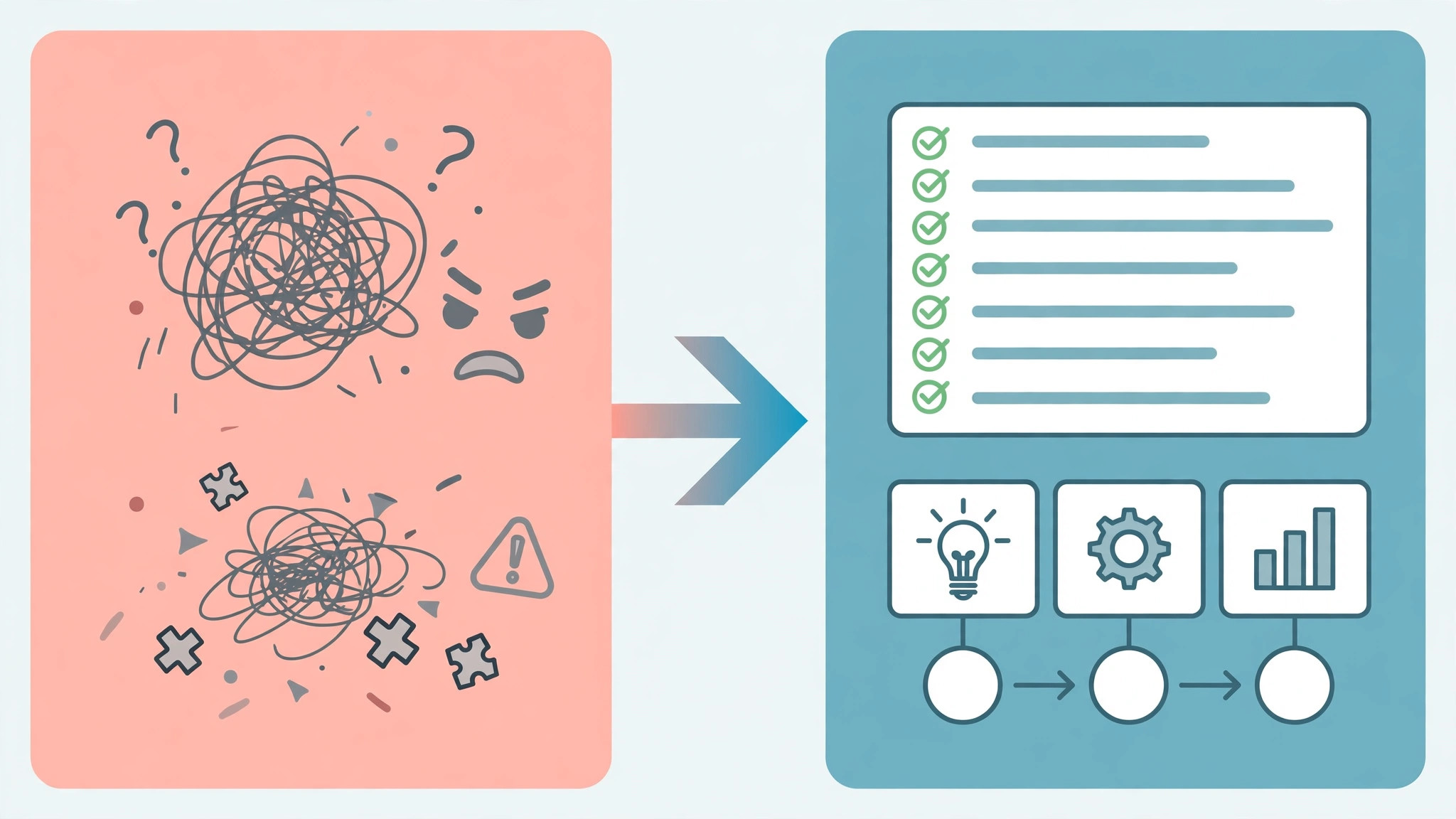
Here is the method in action on three everyday tasks.
1. Email
Weak prompt: “Write an email to my manager about leave.”
The problem: No dates, no reason, no tone, and no length are given. The model has to invent the dates and may write something long and formal when you wanted something short.
Fixed prompt: “Job: write a short leave request email. Material: I need two days off next Monday and Tuesday for a family matter; my current work can wait until I return. Reader: my manager, who prefers short, direct messages. Format: subject line plus four or five sentences. Safety line: ask me up to 3 questions first if something important is missing; never invent names or numbers.”
The better result: A short, polite email that uses only your real details, leaves no invented dates beyond the ones you gave, and is ready to send after a quick read.
2. Study Help
Weak prompt: “Teach me this chapter.”
The problem: The model does not know your level, what “this chapter” contains, or whether you want a summary, practice questions, or a full lesson. It will likely give a long general overview that may not match your book at all.
Fixed prompt: “Job: teach me the main ideas from the notes below, one at a time. Material: use only these notes I am pasting. Reader: a student preparing for an exam, new to this topic. Format: explain one idea in simple words, give one example, then ask me one check question before moving on. Safety line: ask me up to 3 questions first if something important is missing; never invent names or numbers.”
The better result: A step-by-step lesson based on your actual material, at your level, that checks your understanding as it goes. If you want more prompts like this, these study prompts that turn AI into a personal tutor are a good next step.
3. Business Post
Weak prompt: “Write a post for my business.”
The problem: No product, no audience, no offer, and no length are mentioned. The result is usually a generic post full of claims you never made and would not want to publish.
Fixed prompt: “Job: write one short social media post. Material: use only these points — what we offer, who it helps, and how to contact us — which I list below. Reader: local customers who have never heard of us. Format: one headline and three short lines, friendly tone, no exaggerated claims. Safety line: ask me up to 3 questions first if something important is missing; never invent names or numbers.”
The better result: A post that sounds like your business, uses only claims you supplied, and does not promise prices, discounts, or results you never stated. For ready-made starting points you can adapt in the same way, see these copy-paste AI prompts that save time at work.
Follow-Up Moves That Fix Almost Anything
Even a good first answer can be improved with a short follow-up. You do not need to start again — just ask for the change.
- “Make it shorter.” Use this when the answer is right but too long. You can add a limit, such as “make it shorter — under 100 words.”
- “Give me 3 options.” Use this for headlines, subject lines, openings, and ideas. Choosing between options is faster and easier than editing one draft you do not like.
- “Check your own answer for mistakes.” Ask the model to re-read its answer, point out anything unclear, unsupported, or possibly wrong, and fix it. This does not replace your own check of names and numbers, but it catches many weak spots.
You can also combine them: “Make it shorter, give me 3 options, and check each one for mistakes before you show me.” Short follow-ups like these are part of the method, not a sign that you failed.
Save Your Winners
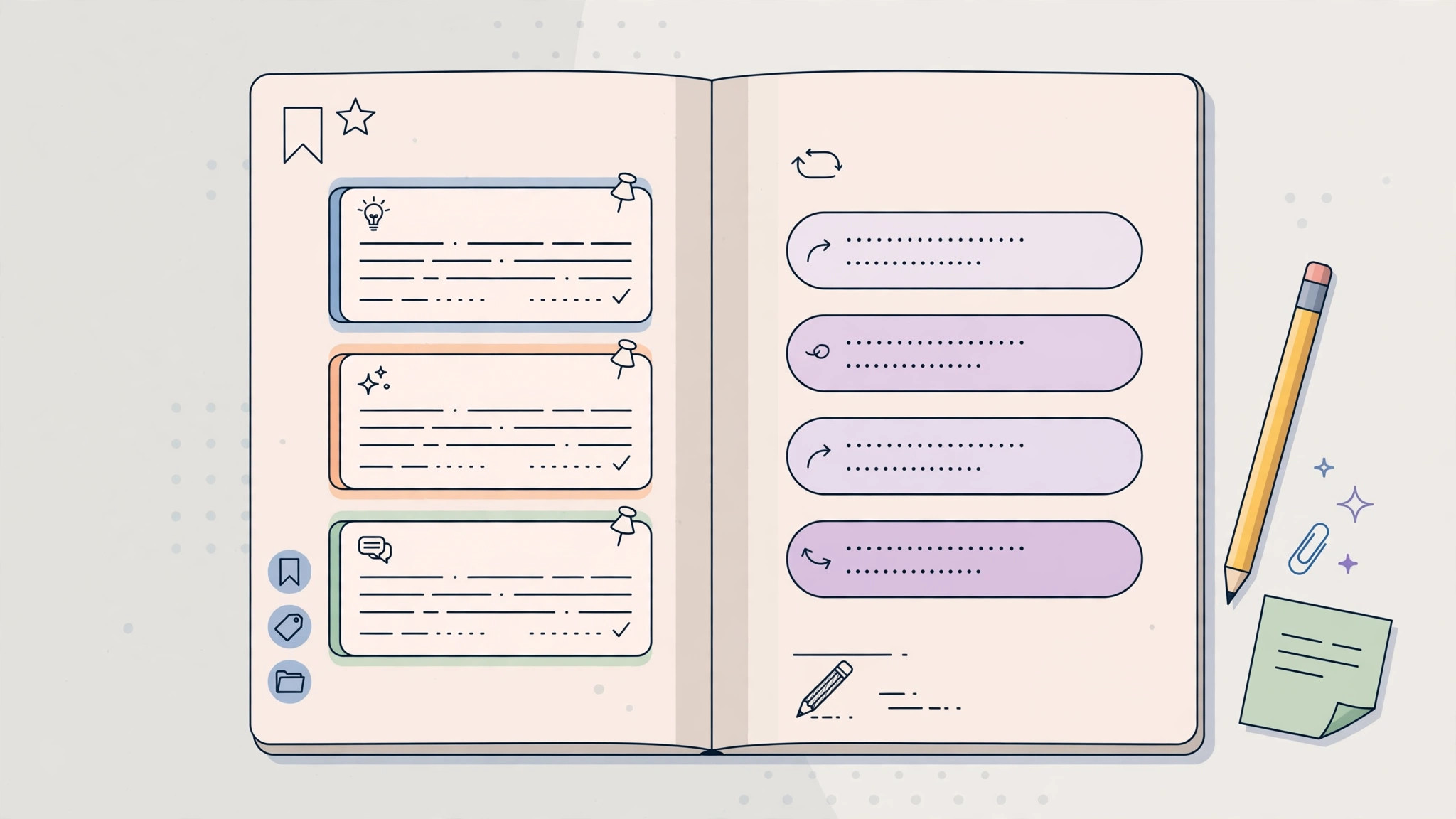
When a prompt works well, do not let it disappear into an old chat. Build a personal prompt notebook — a simple document or note where you save the prompts that gave you good results, grouped by task: email, study, work, and posts.
- Save the full prompt, not just the answer.
- Add a one-line note about what it is for.
- Leave blanks for the parts that change, such as the date, topic, or reader.
- Improve a saved prompt each time you find a better version.
The same idea exists inside the major assistants as saved instructions — places where you can store standing information about how you like answers written, so you teach it once and reuse it instead of repeating yourself in every chat. Whether you use a notebook, saved instructions, or both, the principle is the same: teach once, reuse many times.
Your One-Page Cheat Sheet
Screenshot this summary and keep it next to your notebook:
- Job: Say exactly what to do — one task, clearly named.
- Material: Paste the real notes, email, or points to work from.
- Reader: Name who it is for, so tone and level match.
- Format: State the length and shape — list, paragraph, table, or options.
- Safety line: “Ask me up to 3 questions first if something important is missing; never invent names or numbers.”
- Check: Treat any name, date, or number you did not supply as unverified.
- Fix: “Make it shorter.” “Give me 3 options.” “Check your own answer for mistakes.”
- Save: Keep every prompt that works in your personal prompt notebook.
That is the whole method. Clear job, real material, named reader, chosen format, and one safety line. Use it once on a task you do this week, save the version that works, and you will already be ahead of most vague, guess-filled prompts.